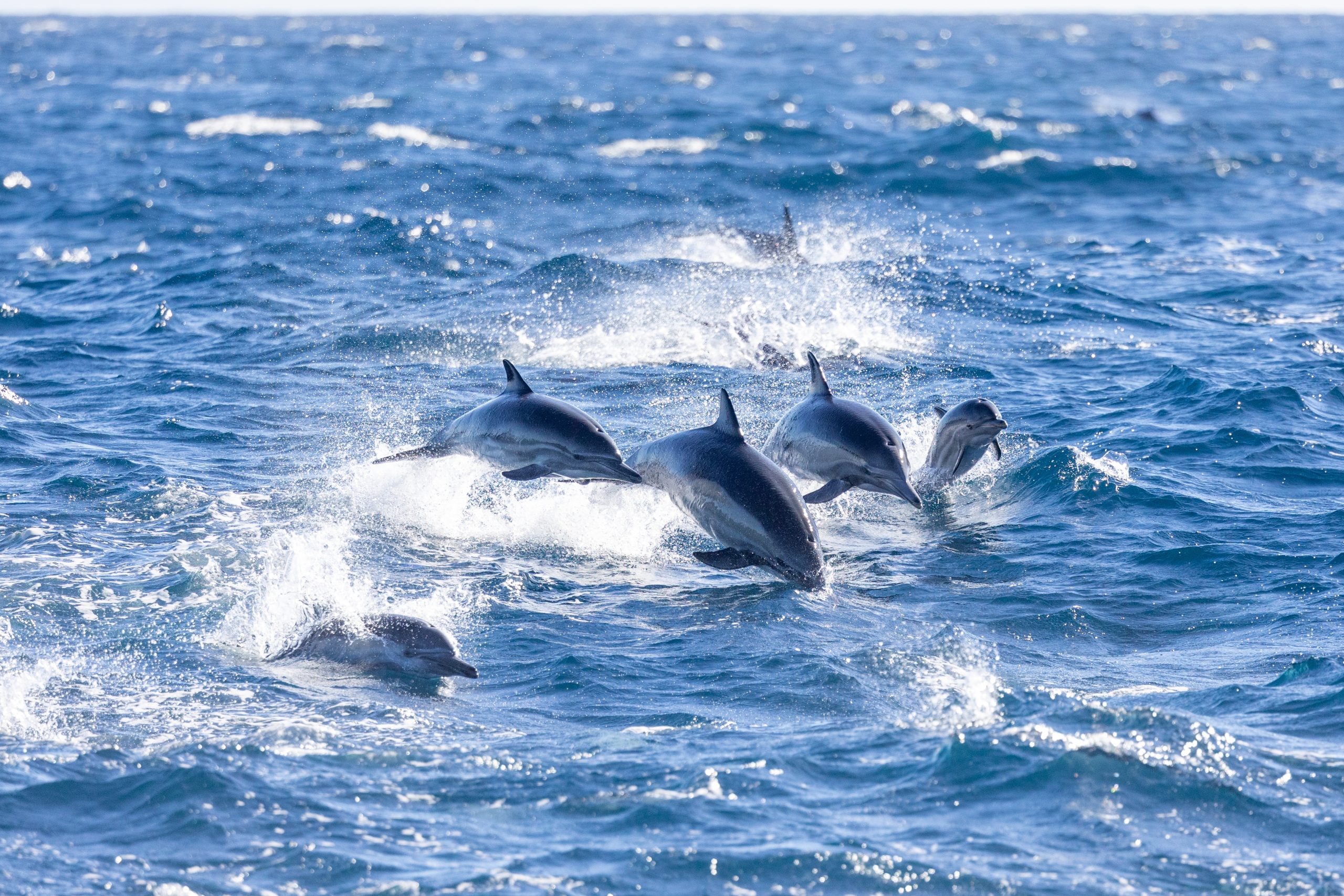
Marine tourism plays an important role in coastal economies around the world. Activities such as whale watching, diving, and shark encounters attract visitors while supporting local businesses but these experiences must be managed carefully to protect the marine environments that make them possible.
In South Africa, experiences such as shark diving in Cape Town and Gansbaai demonstrate how tourism and responsibility can go hand in hand, offering visitors an up-close look at marine wildlife while actively supporting conservation.
Tourism and Ocean Awareness
Many visitors arrive with little understanding of marine ecosystems. Responsible tourism changes that. By providing education about wildlife behaviour, conservation challenges, and the ecological roles of marine species, these experiences can shift perspectives in lasting ways.
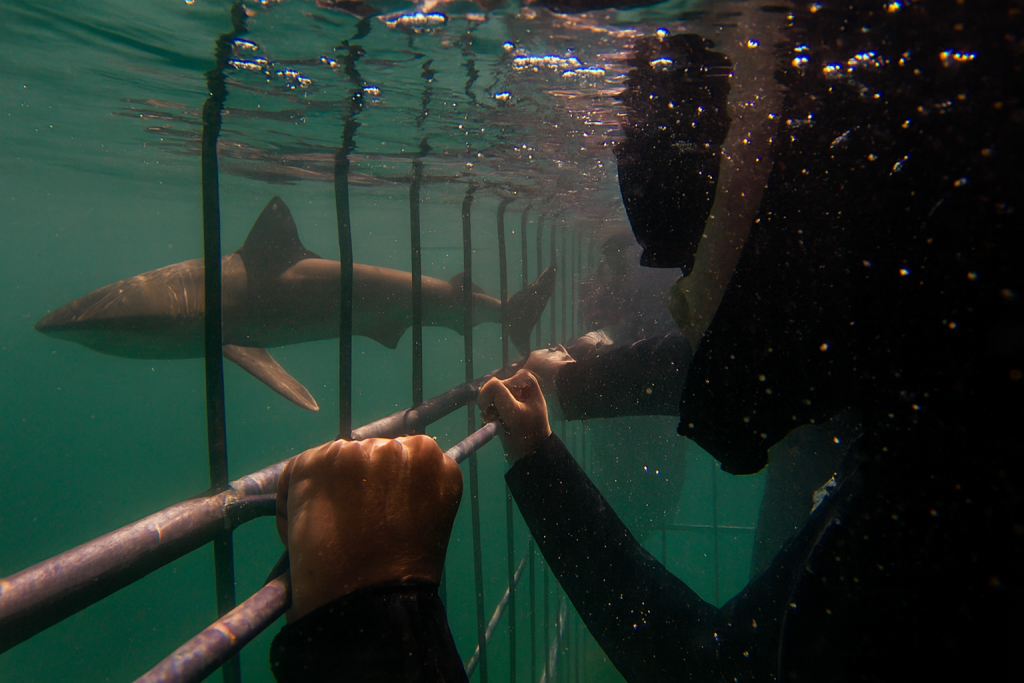
Shark diving trips, for example, typically include briefings on shark behaviour, migration patterns, and the critical role these predators play in maintaining balanced ocean ecosystems. Visitors who encounter sharks in the wild and understand what they’re seeing – consistently leave with a deeper appreciation for ocean conservation.
Supporting Marine Research
Tourism vessels spend many hours on the water, and that time presents valuable opportunities to contribute to marine science. Operators can document shark sightings, behavioural patterns, and environmental conditions, while photographs and video footage help researchers identify individual sharks by their unique markings and scars. Accumulated over time, this data supports scientists in tracking shifts in shark movement and population patterns – a meaningful contribution that goes well beyond the trip itself.
Protecting Wildlife Through Regulation
Responsible marine tourism depends on clear regulation and consistent oversight. In South Africa, shark cage diving operators are required to follow government guidelines governing how trips are conducted and how sharks are approached. These regulations help ensure that wildlife encounters remain controlled and do not disrupt natural shark behaviour. Licensed operators also adhere to safety procedures designed to protect both guests and marine wildlife.
The Importance of Experienced Operators
Operators with long track records in the industry bring more than logistical expertise – they bring a genuine understanding of the balance between tourism and environmental stewardship. Experienced crews know how to manage shark encounters responsibly, without encouraging harmful behaviour, and provide the kind of informed, contextual education that helps guests truly understand what they’re witnessing. This approach allows tourism to actively support conservation rather than work against it.
Responsible Shark Diving in South Africa
South Africa remains one of the world’s premier destinations for wild shark encounters. Experiences in Cape Town and Gansbaai allow visitors to observe sharks safely while gaining a real understanding of the ocean ecosystem. When managed well, these activities support conservation awareness, contribute to ongoing research, and demonstrate what sustainable wildlife tourism can look like in practice.
Operators such as Apex Shark Expeditions – a member of both AAVEA and IAAPA – have spent decades integrating tourism with education and marine research. Their approach is a compelling example of how wildlife tourism, done right, benefits visitors, local economies, and the ocean alike.
This post was submitted by Apex Shark Expeditions, an AAVEA and IAAPA member. AAVEA welcomes contributions from members who are making a positive impact in responsible and sustainable tourism.

No responses yet