What can toy trends teach us about the future of visitor attractions? More than you might expect.
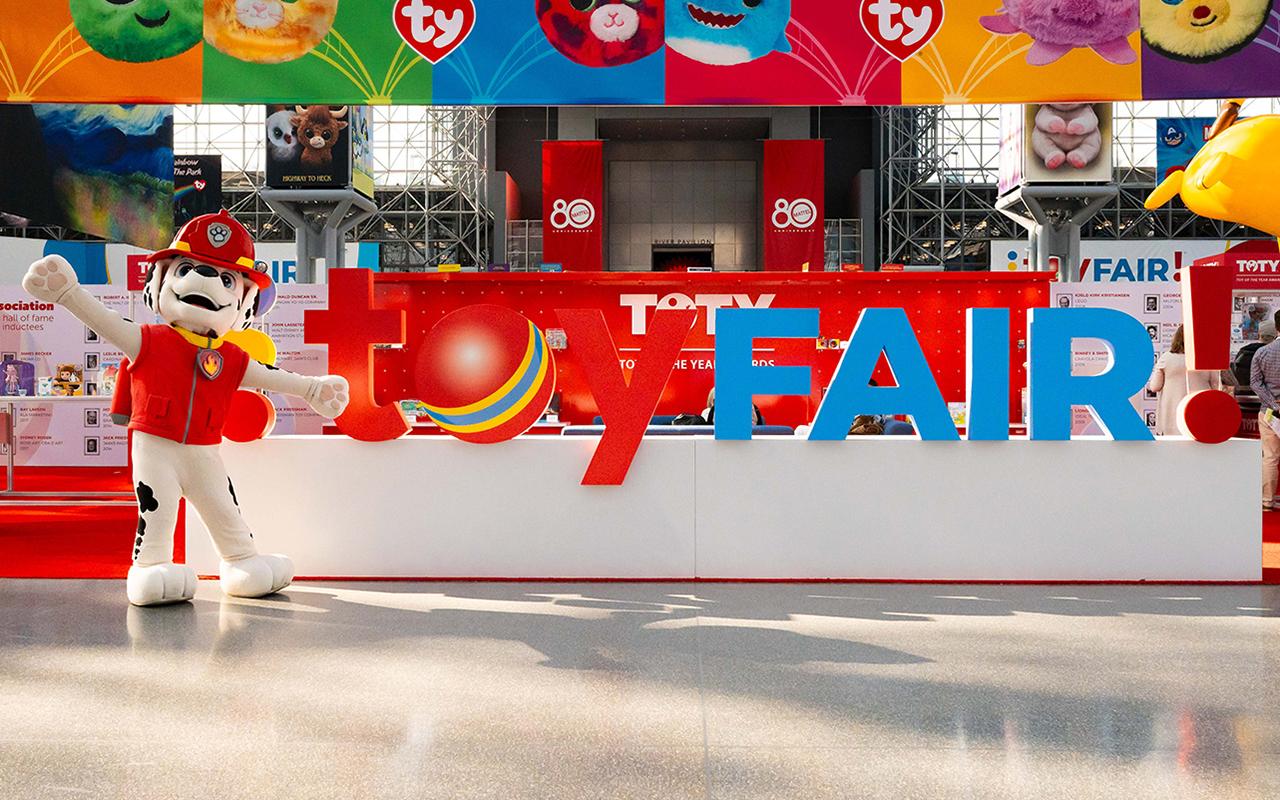
I regularly follow developments in the toy and play space, particularly the Toy Association’s 120th Toy Fair held in New York in February this year. For me, it’s interesting to see what ‘attractions-adjacent’ spaces do. The toy industry and visitor attractions serve overlapping audiences: families, kidults and experience-seekers.
Several of the trends highlighted in the toy sector are relevant to attractions. The five that resonated most with me were:
1. Play has no age ceiling
Adults now make up roughly a quarter of US toy sales, spanning collectors, gamers and even seniors. For attractions, this reinforces a shift many operators have already made: designing experiences that don’t age families out, but instead offer layered appeal, nostalgia, display value and adult-grade craft, alongside child-friendly interaction.
2. A pull toward “cosy” and screen-free
As digital life speeds up, families are actively seeking tactile, low-stimulation experiences that help them reset — think natural materials, gentle interactivity and sensory calm rather than more screens. This is directly relevant to attractions positioning themselves as antidotes to overstimulation: quiet zones, tactile exhibits and slower-paced programming may become a differentiator rather than an afterthought.
3. Guests want to make, not just consume
Creator culture, fuelled by platforms like YouTube and TikTok, is driving demand for build-it-yourself and customisable play. Most parents surveyed want products that build creativity and problem-solving. For attractions, this supports continued investment in maker spaces, hands-on workshops and customisable takeaways over passive viewing experiences.
4. Self-expression is now part of the product
Collectibles, wearables and shareable “badges” of identity, from bag charms to blind-box figures, are booming. Attractions with retail or collectible components might consider how merchandise can double as a personal statement guests want to display and share, not just a souvenir.
5. Nostalgia is being reclaimed by people who didn’t live it
Teens and young adults are rediscovering decades-old toy aesthetics as cultural exploration rather than childhood memory — Pinterest reported a 140% surge in searches for 2000s-era toys. Heritage brands and retro-styled exhibits may find fresh audiences among younger visitors engaging with the past as a discovery, not a throwback.
The takeaway for attractions
The underlying insight — that play today is defined by a feeling rather than age, and by participation rather than spectatorship — is directly transferable to how we design guest journeys, retail offerings and family programming across South African visitor attractions. As the toy industry evolves, so too should the way we think about who we’re designing for, and why they choose to play at all.
Submitted by Sabine Lehmann, Chairperson, AAVEA
Source: The Toy Association, Toy Fair Press Release, 14 February 2026.

No responses yet